Driving test apps are widely used by learners seeking flexible and structured preparation. With increasing demands on time and attention, digital tools offer a convenient way to revise theory, practise test-style questions, and track progress. However, not all learners fully understand what these apps are designed to provide or where their limitations lie. While digital preparation can support confidence and consistency, it cannot replace real driving experience. Understanding the accuracy, accessibility, and realistic boundaries of driving test apps is essential for effective use. This blog explains how these tools work, what benefits they offer, and how learners can use them wisely as part of a balanced preparation approach.
Purpose and Scope of Driving Test Apps
Driving test apps are designed to support learners by organising theory preparation into a clear and manageable format. Their primary role is to help learners revise rules, understand hazard awareness, and become familiar with test-style questions.
These apps present information in structured sections, allowing learners to progress steadily without feeling overwhelmed. Instead of relying on lengthy manuals, learners can revise in shorter, focused sessions that support better retention.
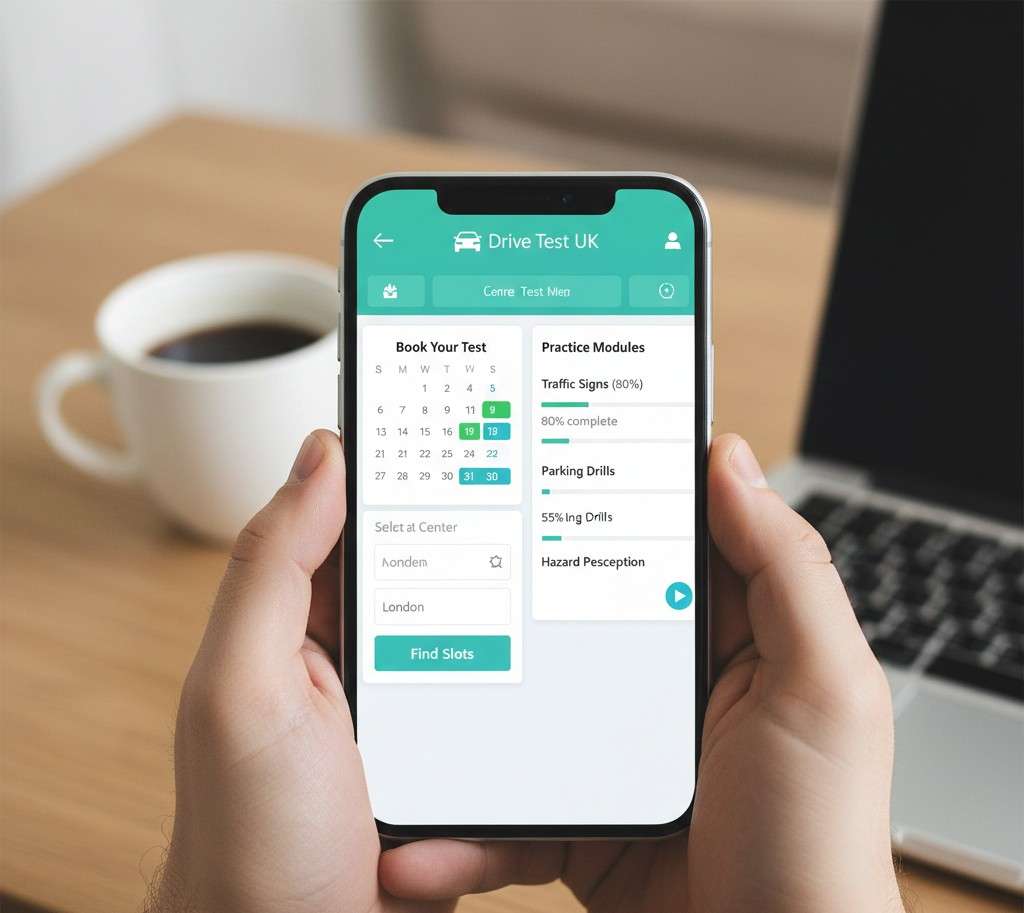
Another key purpose is consistency. Digital tools encourage regular interaction with theory content, reducing the likelihood of forgetting important details. By maintaining steady engagement, learners build familiarity and confidence over time.
Driving test apps are support tools rather than complete preparation solutions. Their effectiveness depends on how realistically and consistently they are used.
Accuracy and Reliability of App Content
Accuracy is a critical factor when using any driving test app. Learners rely on correct information to develop safe and compliant driving knowledge. Reliable apps base their content on current driving regulations and official test guidelines. This includes up-to-date road signs, speed limits, hazard perception principles, and question formats that reflect the real exam.
Regular updates play an important role in maintaining accuracy. Without updates, content may become outdated, leading to confusion or incorrect understanding.
Accuracy also applies to explanations. Clear reasoning behind correct and incorrect answers helps learners understand rules properly rather than memorising responses. Accurate content builds trust, reduces uncertainty, and supports confident preparation.
Accessibility and Ease of Use for Learners
Accessibility is one of the strongest advantages of driving test apps. Learners can revise whenever and wherever it suits their schedules, without needing physical materials or dedicated study time. Mobile access allows short revision sessions to fit into daily routines. This flexibility encourages consistency, which is essential for long-term retention.
Apps also support private learning. Learners can practise without pressure or judgement, making it easier to focus and correct mistakes calmly.
An App for Driving tests offers convenience that traditional revision methods often lack. Easy navigation and clear layouts further support effective use, helping learners focus on preparation rather than searching for information.
How Driving Test Apps Support Consistent Revision
Consistency is a key factor in successful theory preparation. Driving test apps encourage regular engagement through structured progression and repeatable practice.
Content is typically divided into topics, allowing learners to focus on one area at a time. This approach reduces overload and supports steady improvement.
Practice questions following each topic reinforce understanding immediately. Feedback highlights gaps early, preventing weak areas from being overlooked.
Progress tracking also supports consistency. Visual indicators show completed sections and improvement trends, helping learners stay motivated and organised.
Using an App for Driving Test regularly helps learners maintain momentum, making revision feel achievable rather than overwhelming.
Recognising the Practical Limits of App-Based Learning
Despite their benefits, driving test apps have clear limitations. They cannot replace practical driving experience or instructor guidance. Apps cannot assess physical vehicle control, road positioning, or real-time interaction with traffic. These skills require hands-on practice in real driving conditions.
Another limitation is emotional readiness. While apps can simulate exam-style questions, they cannot fully recreate test-day pressure or examiner interaction. Over-reliance on digital tools may also create false confidence. Strong theory knowledge does not automatically translate into practical competence.
Understanding these limits helps learners avoid unrealistic expectations and use apps appropriately as support tools rather than complete solutions.
Common Misunderstandings About Driving Test Apps
Many learners misunderstand what driving test apps are intended to achieve. One common assumption is that using an app alone is sufficient for passing the test.
Another misconception is that repeated mock tests guarantee success. While familiarity is helpful, real-world driving requires adaptability that apps cannot fully simulate. Some learners also believe higher scores always reflect readiness. Scores indicate knowledge but do not measure physical driving skills or situational judgement.
Recognising these misunderstandings allows learners to approach app-based preparation more realistically. Apps are most effective when used as part of a wider preparation strategy rather than a standalone solution.
Using Apps as Part of Balanced Test Preparation
Balanced preparation combines digital tools with real driving experience. Driving test apps strengthen knowledge, while practical lessons build physical skills and awareness.
Apps are particularly useful between lessons. Revising theory and hazard perception supports smoother progress during practical driving sessions.
Structured digital revision also helps learners understand test expectations clearly. This reduces uncertainty and supports calmer performance. Learners who balance digital preparation with real-world practice are better equipped to handle both theoretical and practical demands. Using each method for its strengths creates a more complete and effective preparation approach.
Conclusion
Driving test apps offer structured, accessible support that helps learners organise revision and practise consistently. Their accuracy and convenience make them valuable tools when selected carefully and used with realistic expectations. However, they also have clear limits and cannot replace practical driving experience or instructor guidance. Understanding both benefits and boundaries allows learners to prepare more effectively and avoid unnecessary pressure. When used as part of a balanced approach, digital tools support confidence, clarity, and readiness. Driving test apps work best when combined with real driving practice, providing reliable support throughout preparation with the App for Driving Test.
