Rising material prices and labour costs have made roofing projects a major financial consideration for UK homeowners. A roof must protect the structure, comply with regulations and withstand changing weather conditions, yet it also needs to remain affordable. Budget-friendly roofing is not about cutting corners but about making informed choices that balance cost, performance and longevity. Understanding materials, design factors and planning methods allows homeowners to manage expenses while securing a roof that remains reliable and structurally sound over time.
Understanding What Makes a Roof Budget-Friendly
A budget-friendly roof is defined by more than just its upfront cost. While material pricing plays a role, installation complexity, maintenance needs and expected lifespan all influence the real value of a roofing system, a point often highlighted by experienced roofing contractors Cardiff. Cheaper materials that require frequent repairs can become costly over time, whereas moderately priced options with longer service lives often deliver better value.
Another key factor is compatibility with the existing structure. Roofing systems that integrate easily with the current framework reduce labour time and minimise additional structural adjustments. Compliance with UK building regulations also affects affordability, as non-compliant roofs can lead to corrective work and unexpected expenses.
A well-planned roofing project focuses on efficiency, durability and suitability rather than appearance alone. By prioritising performance over unnecessary upgrades, homeowners can control costs without compromising safety or weather resistance.
Common Affordable Roofing Materials Used in the UK
Concrete Roof Tiles
Concrete tiles remain one of the most cost-effective roofing materials in the UK. They are widely available, relatively simple to install and capable of handling typical British weather conditions. While heavier than some alternatives, they provide good durability when supported by a suitable structure. Their long lifespan and low maintenance requirements make them appealing for budget-conscious projects.
Asphalt Roofing Systems
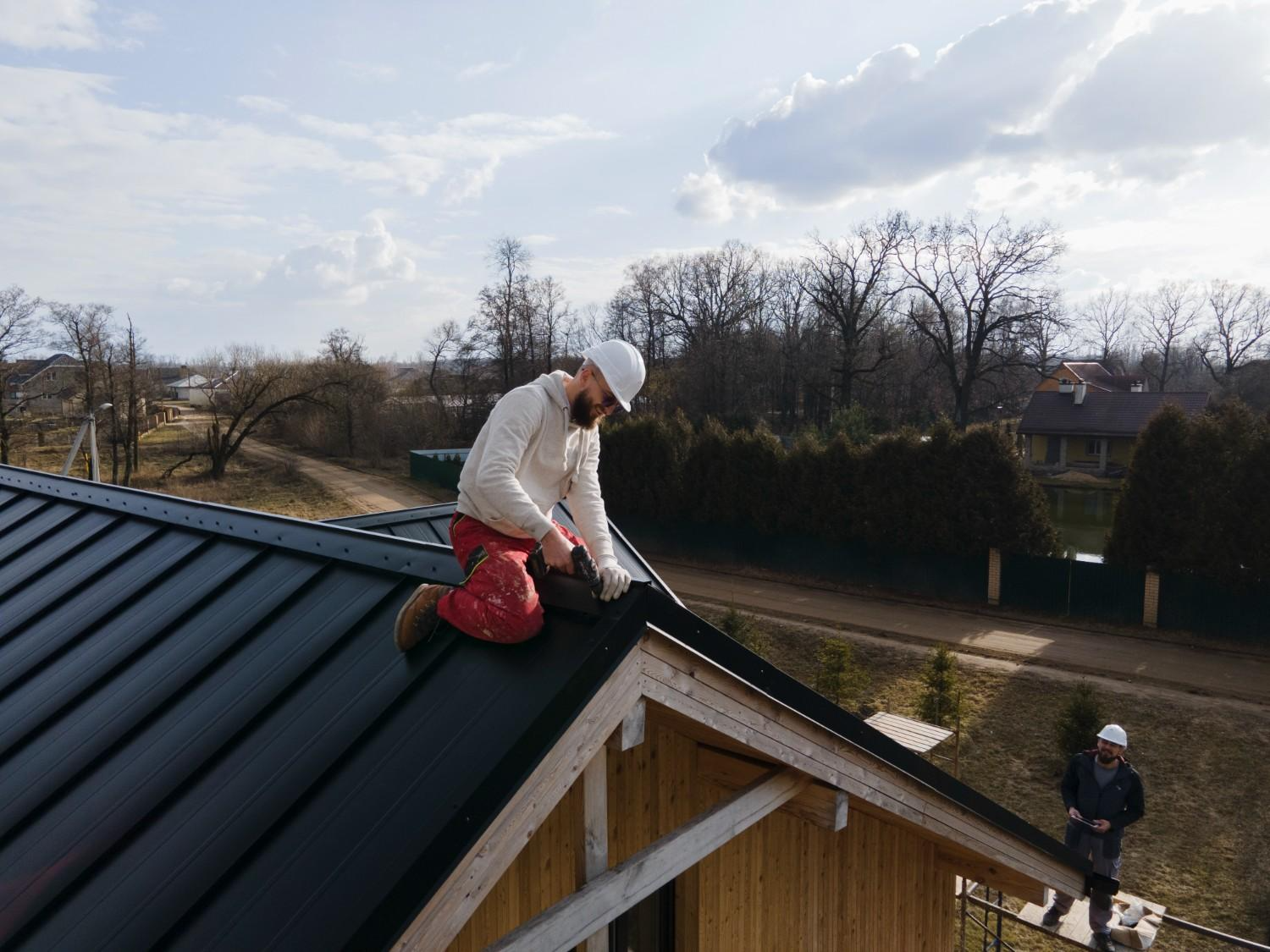
Asphalt-based roofing systems are commonly used on garages, extensions and low-slope roofs. They offer a lower initial cost and straightforward installation, reducing labour expenses. While their lifespan is shorter than tiled roofs, proper installation and periodic maintenance can keep costs predictable over time.
Fibre Cement Roofing
Fibre cement sheets and slats provide a balance between affordability and durability. They are lighter than concrete tiles, which can reduce structural reinforcement costs. Their resistance to moisture and rot makes them suitable for the UK climate, particularly where long-term maintenance budgets are limited.
Reclaimed and Recycled Roofing Materials
Reclaimed tiles and slats can reduce material costs significantly when sourced responsibly. These materials often match traditional UK properties well, though availability and condition must be assessed carefully. Compliance with current standards remains essential, even when using reclaimed products.
Comparing Roofing Materials by Cost and Performance
| Roofing Material | Average Lifespan | Relative Cost | Maintenance Level | Suitability |
| Concrete Tiles | 40–60 years | Low–Medium | Low | Most homes |
| Asphalt Systems | 15–25 years | Low | Medium | Flat/low roofs |
| Fibre Cement | 30–50 years | Medium | Low | Extensions, houses |
| Reclaimed Materials | Variable | Low–Medium | Medium | Traditional builds |
This comparison highlights that affordability should always be assessed alongside durability and maintenance demands.
Labour Costs and How to Control Them
Labour often represents a significant portion of roofing expenses. Complex roof designs, difficult access and extended installation times increase costs quickly. Choosing materials that are familiar to installers and suited to the roof’s structure helps streamline the process.
Clear planning before work begins reduces delays and variations that inflate labour charges. Accurate measurements, agreed timelines, and defined scopes of work allow installers to operate efficiently. Skilled professionals may not always be the cheapest option, but experienced workmanship reduces the likelihood of future repairs, keeping long-term costs under control.
Planning a Roofing Project on a Tight Budget
Setting a Realistic Roofing Budget
A realistic budget accounts for materials, labour, waste removal and regulatory compliance. Prioritising essential structural integrity over cosmetic details helps prevent overspending. Including a modest contingency allows for unforeseen adjustments without financial strain.
Timing Your Roofing Work
Roofing demand fluctuates throughout the year. Planning work during less busy periods can improve availability and cost stability. Weather conditions should still be suitable to avoid delays that could increase labour costs.
Regulatory and Compliance Costs
UK roofing projects must meet building regulations related to insulation, fire resistance and structural safety. Factoring these requirements into the budget from the outset avoids corrective work later. Compliance ensures the roof performs as intended and protects property value.
Smart Design Choices That Reduce Roofing Costs
Simpler roof shapes are generally more affordable to construct and maintain. Complex angles, valleys and dormers increase both material usage and labour time. A straightforward pitched roof often provides the best balance between cost and weather protection.
Roof pitch also influences material choice and drainage efficiency. Designs that promote effective water runoff reduce long-term maintenance costs. Adequate ventilation, when integrated correctly, prevents moisture buildup and extends the roof’s lifespan without significant additional expense.
Long-Term Savings Through Maintenance
Preventative maintenance is one of the most effective ways to protect a roofing investment. Frequent inspections find small problems before they become larger ones. Clearing debris, checking fixings and monitoring drainage systems can significantly extend roof life.
Budget-friendly roofing does not end with installation. A simple, scheduled maintenance approach reduces emergency repair costs and ensures the roof continues to perform reliably under changing weather conditions.
Selecting the Right Professionals for Budget Roofing
Choosing experienced professionals ensures that budget-friendly materials are installed correctly. Transparent quotations and clear communication help homeowners understand where costs are allocated. Reliable roofing contractorsoften emphasise practicality, compliance and durability rather than unnecessary upgrades.
Similarly, working with established building contractors in Cardiff assures that roofing projects integrate properly with the wider structure. Professional coordination reduces errors, rework and hidden costs, making budget control more achievable throughout the project lifecycle.
Conclusion
Building a budget-friendly roof requires careful planning, informed material choices and practical design decisions. Affordability should always be measured alongside durability, compliance and long-term performance. By focusing on efficiency rather than short-term savings, homeowners can secure reliable roofing without financial strain. With professional guidance, thoughtful budgeting and consistent maintenance, a cost-effective roof can deliver lasting protection and value. This balanced approach reflects the standards upheld by AO Builders Cardiff.
