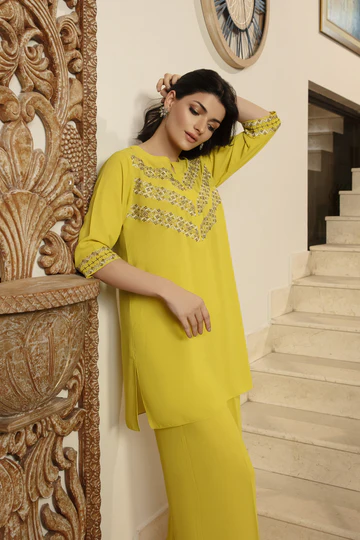
Fashion plays a vital role in modern lifestyles, and clothing brands are at the center of this ever-evolving industry. From casual everyday wear to luxury designer outfits, clothing brands define trends, quality standards, and personal style. Today, people choose brands not only for appearance but also for comfort, durability, and identity.
Whether you are looking for affordable fashion or premium luxury wear, understanding clothing brands helps you make better wardrobe choices. This complete guide explores the world of clothing brands, their types, trends, importance, and how to select the right brand for your needs.
 What Are Clothing Brands?
Clothing brands are fashion labels that design, manufacture, and sell apparel under a specific name or identity. Each brand has its own style, target audience, and design philosophy.
Clothing brands focus on:
- Fabric quality
- Design aesthetics
- Fit and comfort
- Trend adaptation
A strong brand creates trust and loyalty among customers.
Importance of Clothing Brands in Fashion
The fashion industry relies heavily on clothing brands to set trends and maintain quality standards.
 Style Identity
Brands help individuals express personality and lifestyle.
Quality Assurance
Established brands maintain consistent quality.
Trend Leadership
Many clothing brands introduce new designs every season.
Consumer Confidence
People trust brands they are familiar with.
Types of Clothing Brands
The world of clothing brands is diverse and caters to different fashion needs.
 Casual Clothing Brands
These brands focus on everyday comfort and relaxed styles.
Examples of casual wear include:
- T-shirts
- Jeans
- Casual dresses
- Loungewear
Formal Clothing Brands
Designed for professional and elegant occasions.
Formal wear includes:
- Suits
- Formal dresses
- Office wear
- Evening outfits
Luxury Clothing Brands
Luxury clothing brands emphasize exclusivity, craftsmanship, and premium fabrics.
Sportswear Clothing Brands
Focused on performance, flexibility, and comfort for active lifestyles.
Sustainable Clothing Brands
These brands promote eco-friendly materials and ethical production.
Evolution of Clothing Brands
The journey of clothing brands has evolved significantly over time. Earlier, clothing was mainly functional. Today, it represents fashion, culture, and self-expression.
Key stages of evolution include:
- Traditional tailoring
- Mass production
- Ready-to-wear fashion
- Digital and online branding
Modern clothing brands now focus on global trends and fast fashion cycles.
Clothing Brands and Fashion Trends
Fashion trends are closely linked to clothing brands. Every season, brands introduce new collections inspired by:
- Global fashion weeks
- Cultural influences
- Celebrity styles
- Social media trends
Trendy clothing brands adapt quickly to changing consumer preferences.
Clothing Brands for Men, Women & Kids
Most clothing brands categorize collections according to age and gender.
Men’s Clothing Brands
Focus on casual wear, formal attire, and sportswear.
Women’s Clothing Brands
Offer a wide range including casual, formal, festive, and luxury wear.
Kids’ Clothing Brands
Prioritize comfort, durability, and playful designs.
This segmentation helps customers find relevant styles easily.
Seasonal Collections by Clothing Brands
Seasonal fashion is a major part of branding strategies.
 Summer Collections
- Light fabrics
- Bright colors
- Breathable designs
 Autumn Collections
- Neutral tones
- Transitional fabrics
 Winter Collections
- Warm materials
- Layered outfits
- Dark and rich shades
Clothing brands plan their collections according to climate and lifestyle needs.
Role of Fabric in Clothing Brands
Fabric quality defines the success of clothing brands.
Commonly used fabrics include:
- Cotton
- Linen
- Silk
- Denim
- Wool
High-quality fabrics improve comfort, durability, and customer satisfaction.
Fast Fashion vs Premium Clothing Brands
Fast Fashion Brands
- Affordable pricing
- Trend-focused
- Frequent collections
Premium Clothing Brands
- Higher prices
- Better quality
- Timeless designs
Both categories of clothing brands serve different market needs.
Sustainable Clothing Brands
Sustainability is becoming a major focus in fashion. Many clothing brands now emphasize:
- Organic fabrics
- Ethical labor practices
- Reduced waste
- Long-lasting designs
Sustainable brands attract environmentally conscious consumers.
Clothing Brands and Online Shopping
Online platforms have transformed how people shop from clothing brands.
Benefits include:
- Easy access
- Wide variety
- Size guides
- Home delivery
Digital presence is now essential for the success of modern clothing brands.
How to Choose the Right Clothing Brand
Choosing the right brand ensures satisfaction and value for money.
Consider these factors:
- Fabric quality
- Price range
- Brand reputation
- Style compatibility
- Occasion suitability
Selecting the right clothing brands helps build a versatile wardrobe.
Clothing Brands for Different Occasions
Different occasions require different outfits.
Casual Wear
Relaxed and comfortable clothing brands are ideal.
Office Wear
Structured and elegant brands suit professional settings.
Party & Events
Fashion-forward clothing brands offer stylish designs.
Weddings & Formal Events
Luxury and designer brands are preferred.
Global Influence of Clothing Brands
Many clothing brands enjoy international recognition. Global fashion trends influence local markets, while regional styles inspire global collections.
This exchange has made fashion more diverse and inclusive.
Branding and Identity in Fashion
A strong brand identity sets successful clothing brands apart.
Key elements include:
- Logo and visuals
- Consistent design language
- Target audience focus
- Marketing strategy
Brand identity builds emotional connection with customers.
Pricing Strategy of Clothing Brands
Pricing varies widely among clothing brands.
- Budget brands focus on affordability
- Mid-range brands balance quality and price
- Luxury brands emphasize exclusivity
Understanding pricing helps consumers shop wisely.
Clothing Brands and Celebrity Influence
Celebrities play a significant role in promoting clothing brands. Endorsements increase visibility and influence fashion trends globally.
Social media influencers have also become powerful brand ambassadors.
Future of Clothing Brands
The future of clothing brands looks innovative and technology-driven.
Emerging trends include:
- Custom-made clothing
- AI-driven fashion design
- Sustainable production
- Virtual fashion shows
Brands that adapt to change will lead the fashion industry.
Common Mistakes When Choosing Clothing Brands
Avoid these mistakes:
- Ignoring fabric quality
- Buying only for trends
- Overlooking comfort
- Choosing wrong sizes
Smart choices ensure long-term satisfaction with clothing brands.
Why Clothing Brands Matter in Everyday Life
Clothing brands influence confidence, appearance, and lifestyle. Wearing the right brand enhances comfort and helps express individuality.
A balanced wardrobe includes trusted brands for different needs.
Final Thoughts
Clothing brands are more than just labels—they represent style, quality, and identity. From casual wear to luxury fashion, brands shape how people dress and express themselves.
By understanding trends, fabrics, pricing, and brand values, you can choose clothing brands that align with your lifestyle and fashion goals. Whether you prefer affordable everyday wear or premium designer outfits, the right brand makes all the difference.
